Research
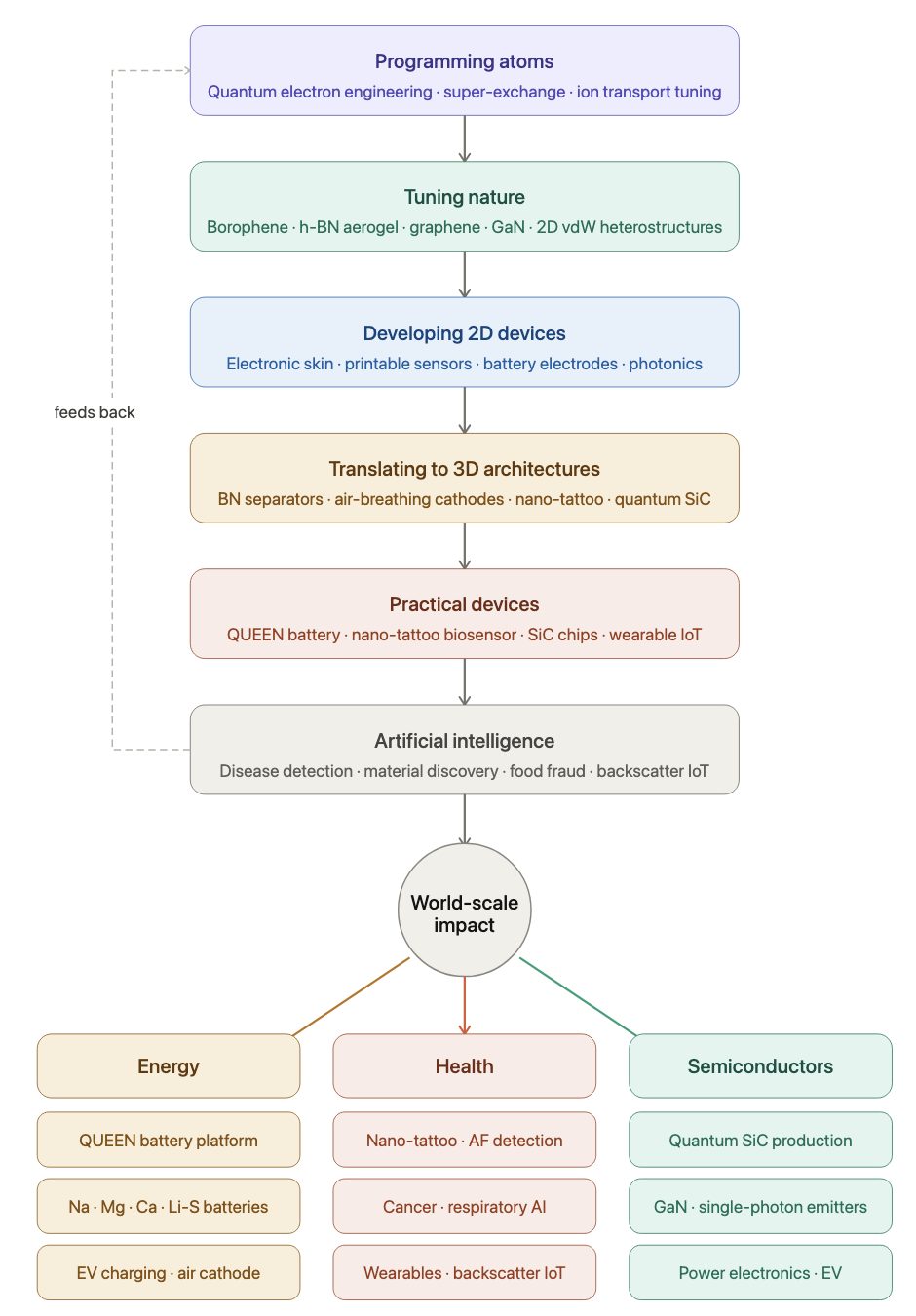
One question runs through every project: how can we fully control how electrons and ions move – as precisely as we write code? We discover, design, synthesise and characterise new materials, then build them into devices. The work always balances fundamental science with industrial use.
Quantum energy storage
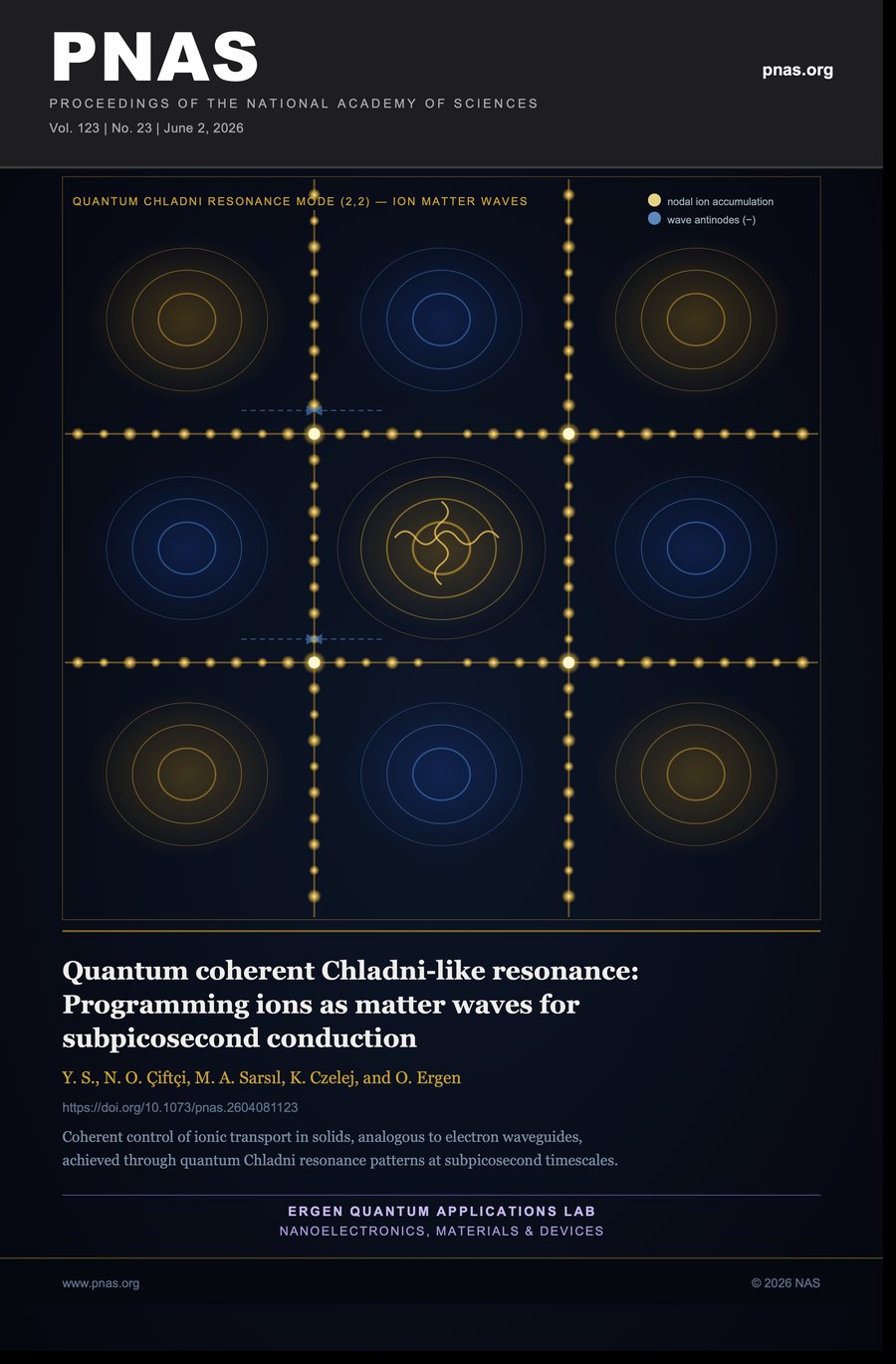
What if a battery charged in seconds because ions moved as a coherent wave instead of drifting?
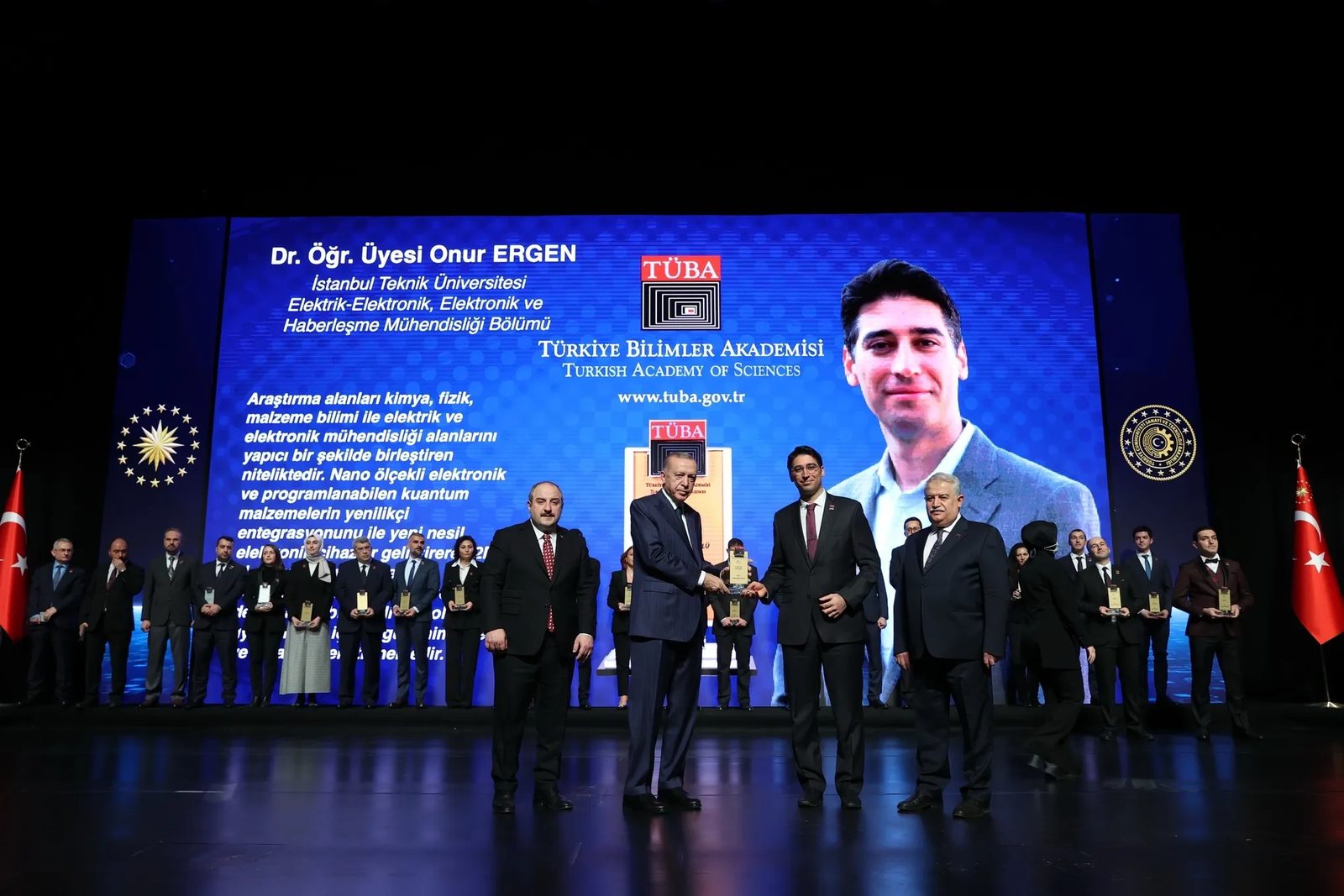
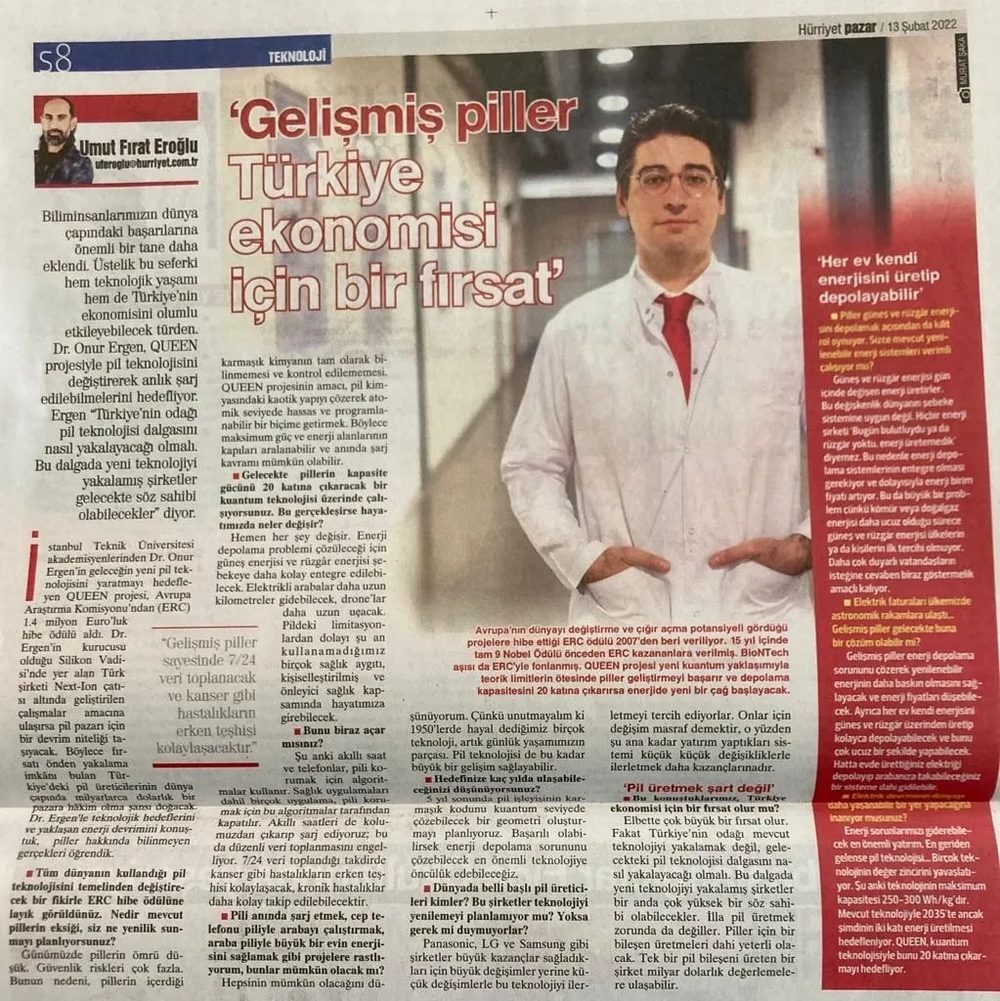
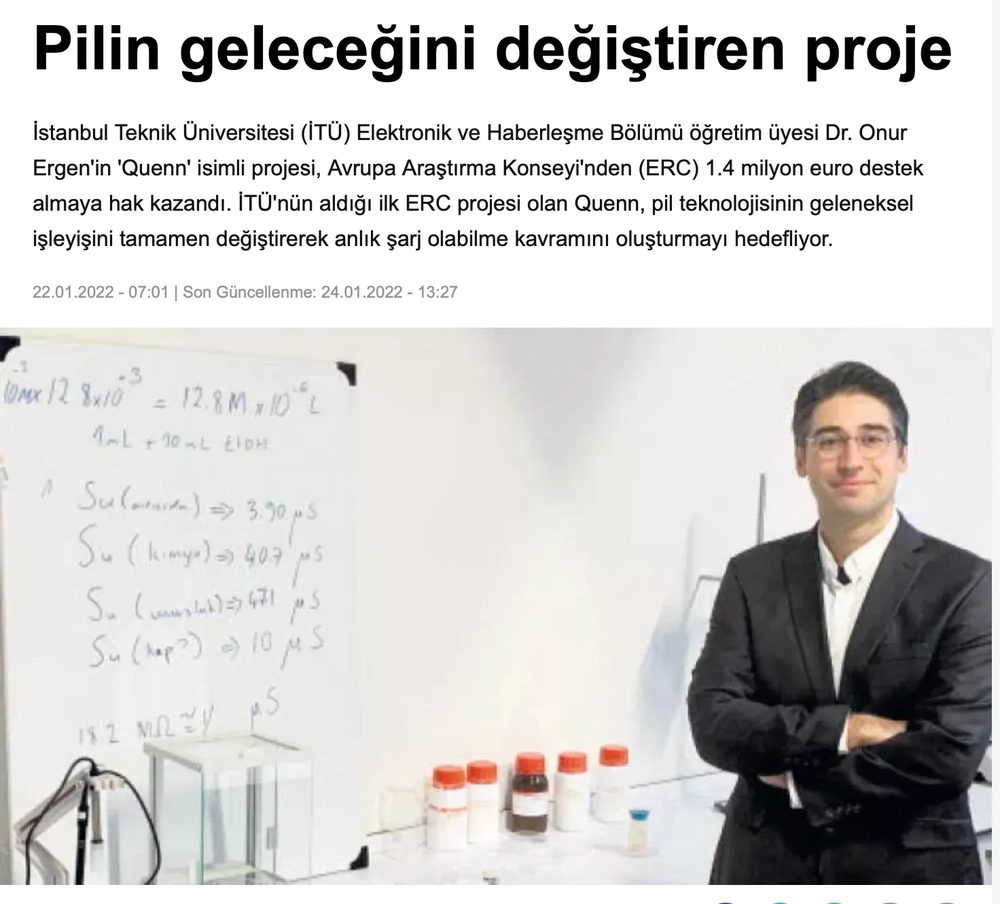
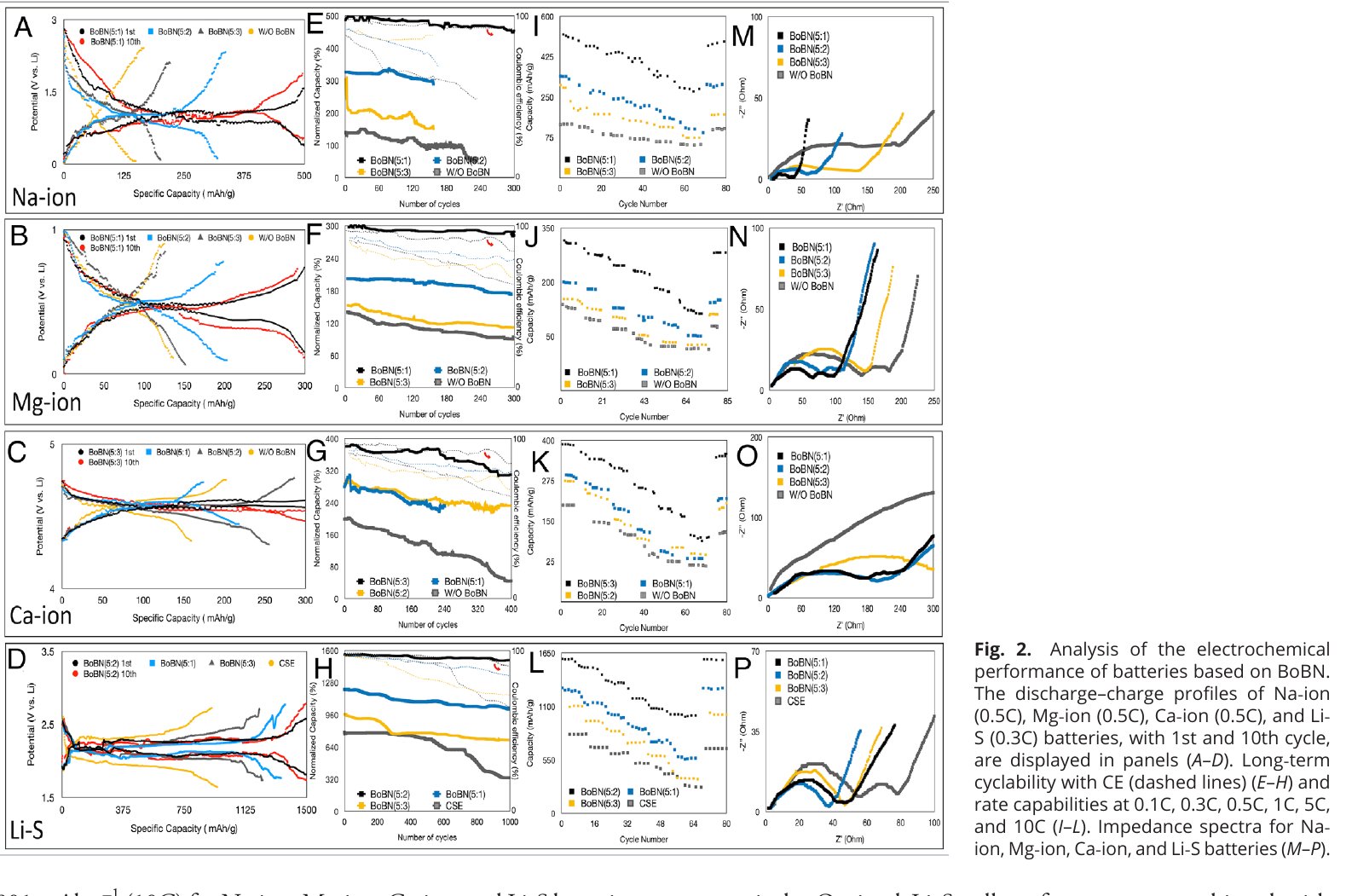
The QUEEN platform, funded by an ERC Starting Grant, uses quantum super-exchange interactions to redesign lithium-ion and next-generation batteries (Na, Mg, Ca, Li-S). Our nano-engineered graphene aerogel cathodes even charge Li-air cells with a simple puff of air.
B-C-N quantum materials
Can one material be the best heat conductor and the best electrical insulator at the same time?
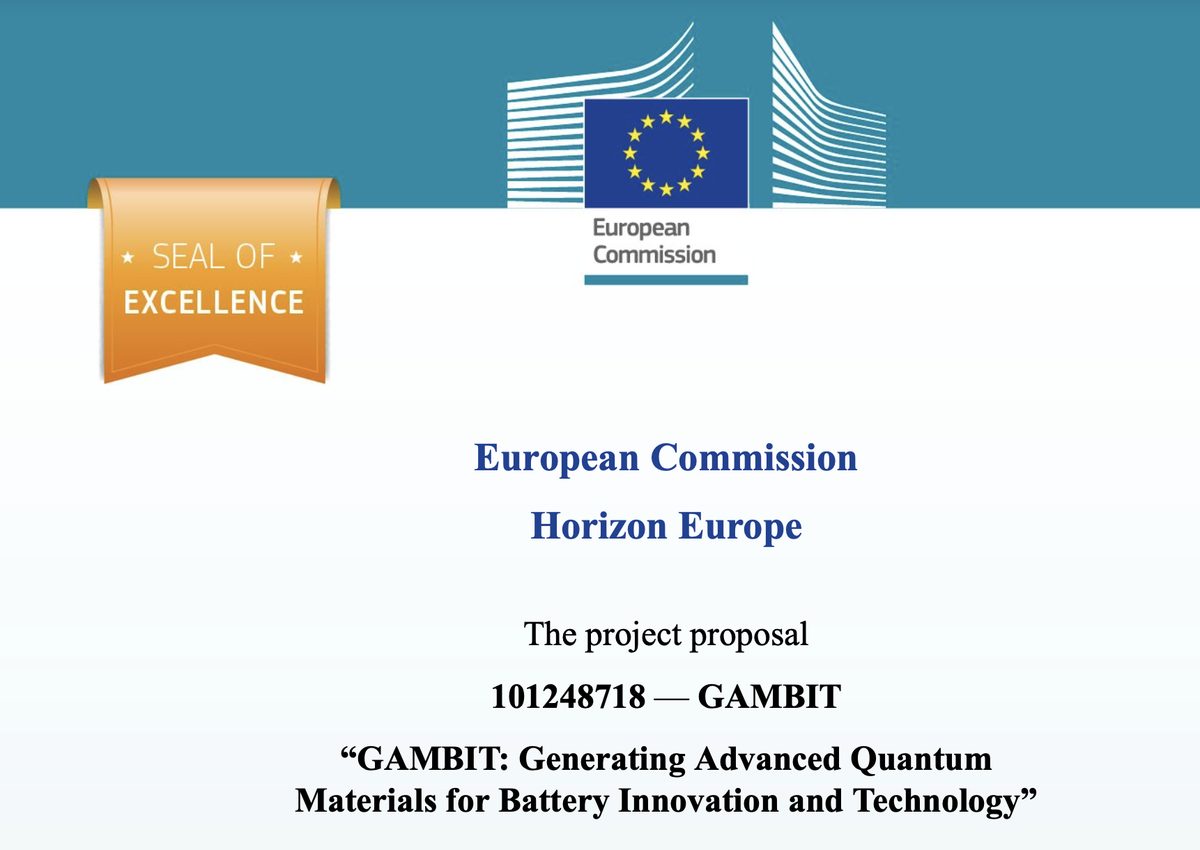
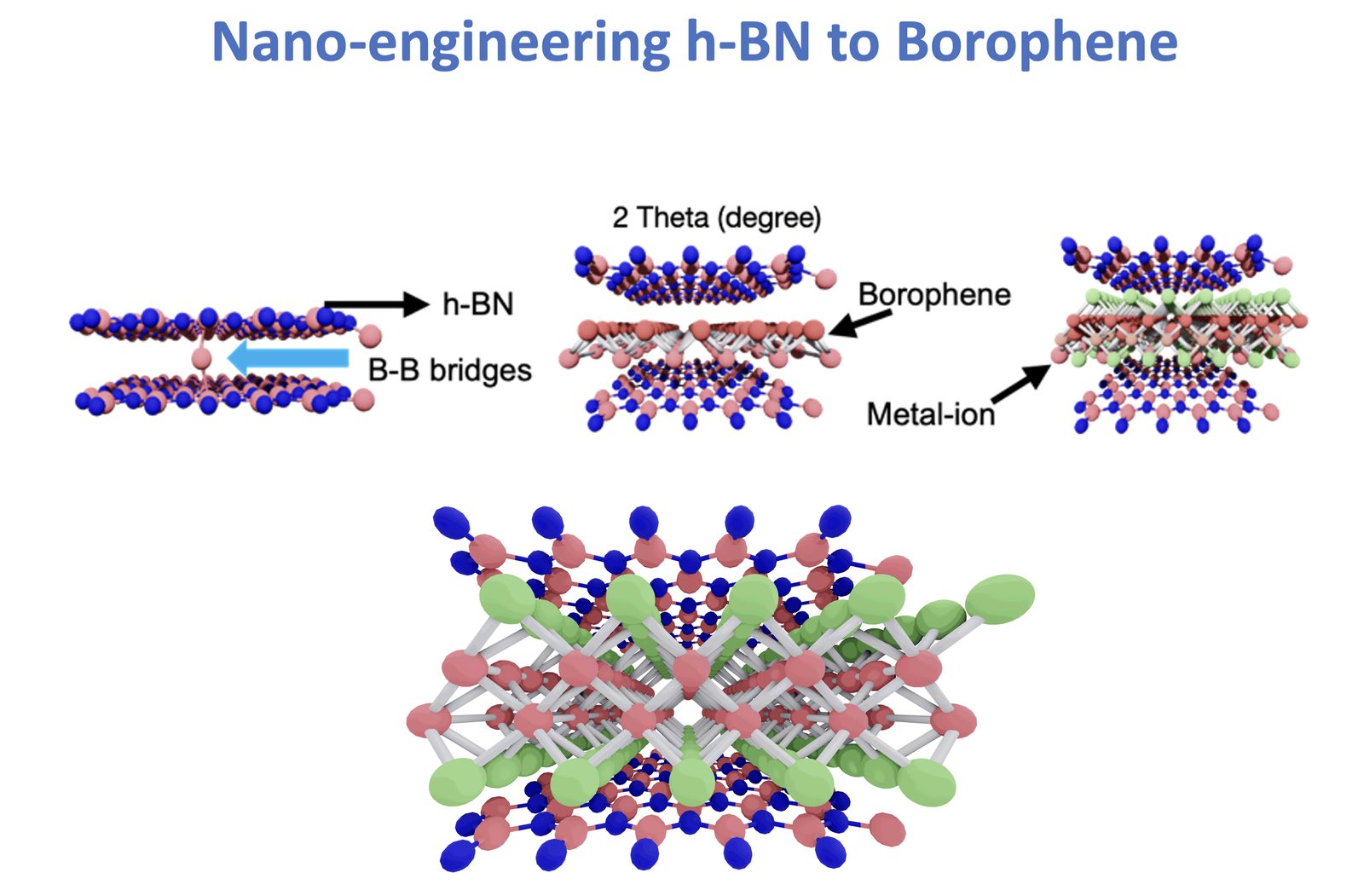
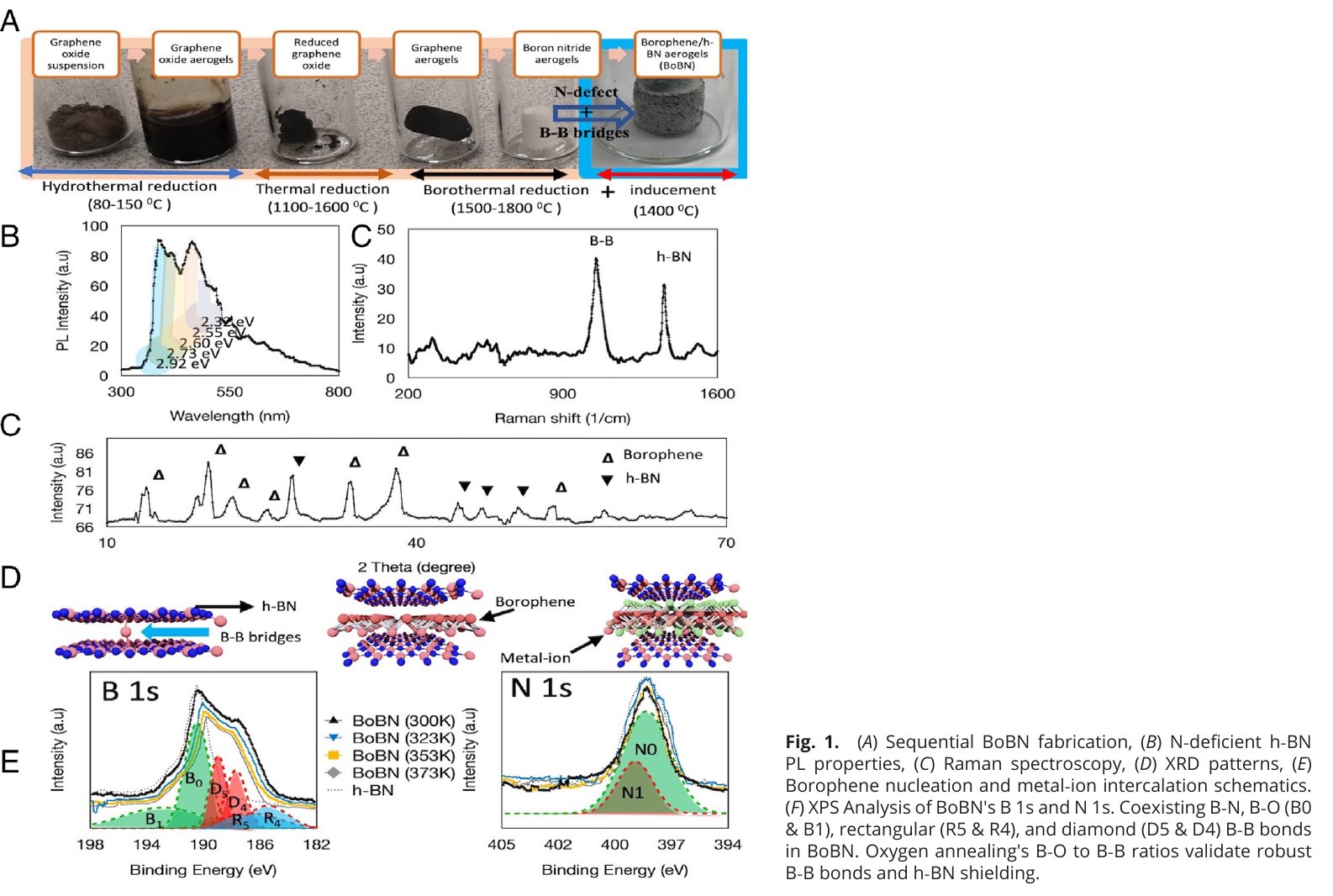
GAMBIT and BNAG explore the tunable electronics, strong spin-orbit coupling and quantum coherence of boron–carbon–nitrogen phases for batteries, sensors and thermal management in data centres.
2D materials and heterostructures
When you stack graphene, boron nitride and borophene one atom thick, what new physics appears where they meet?
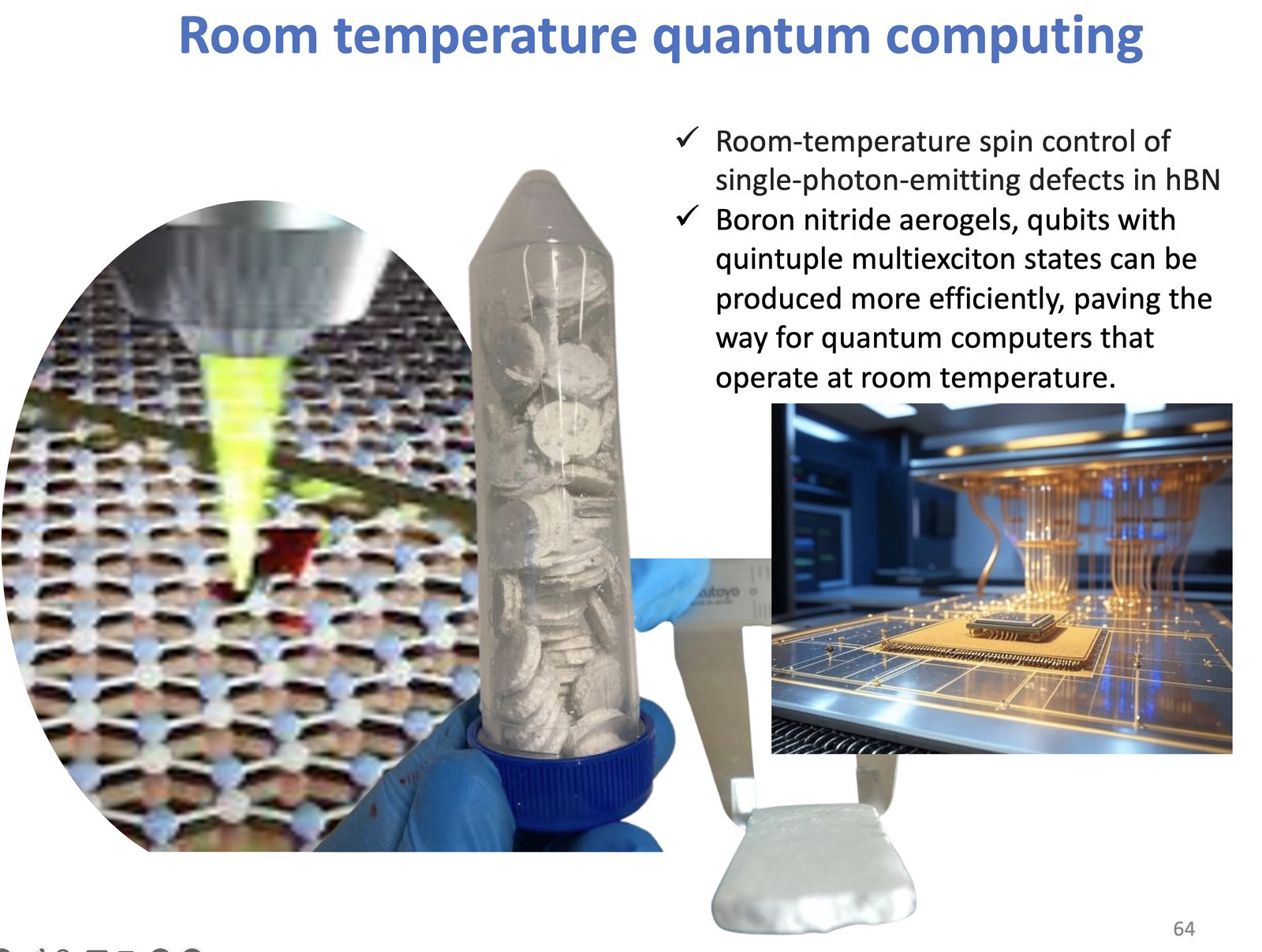
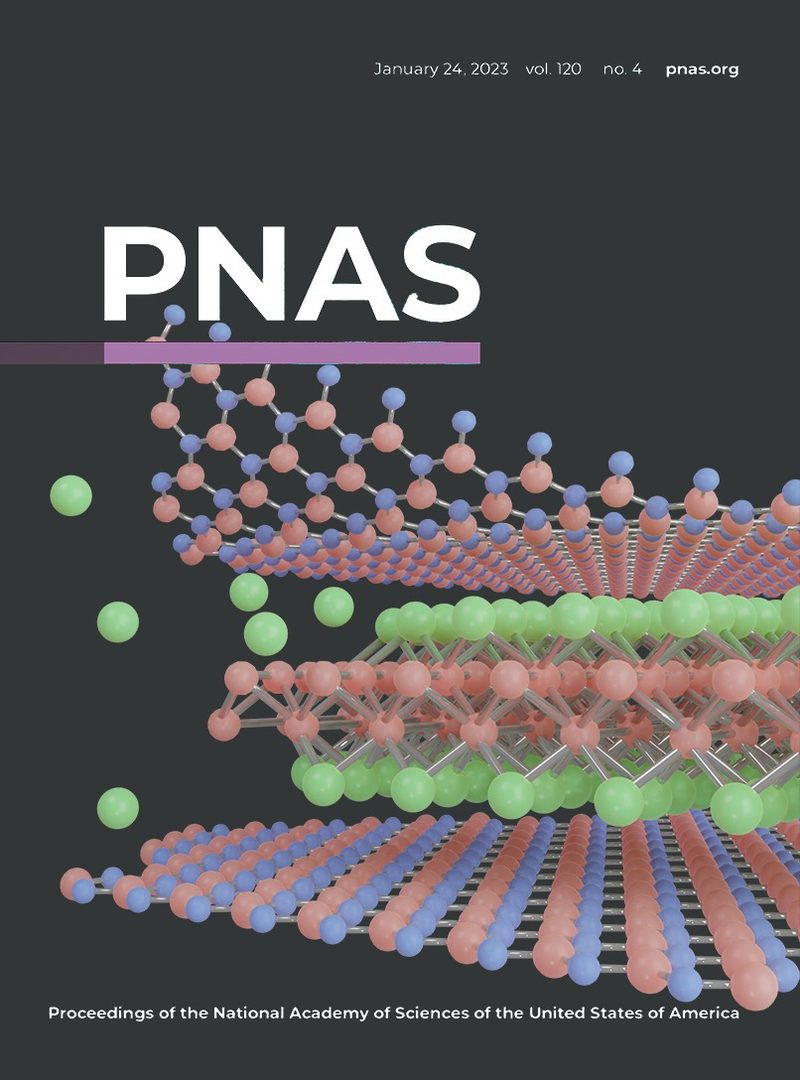
Graphene, h-BN, MoS₂ and GaN in van der Waals stacks for electronics, photonics and spintronics – including room-temperature spin control of single-photon emitters in h-BN for quantum technologies.
Battery-free wearable sensors
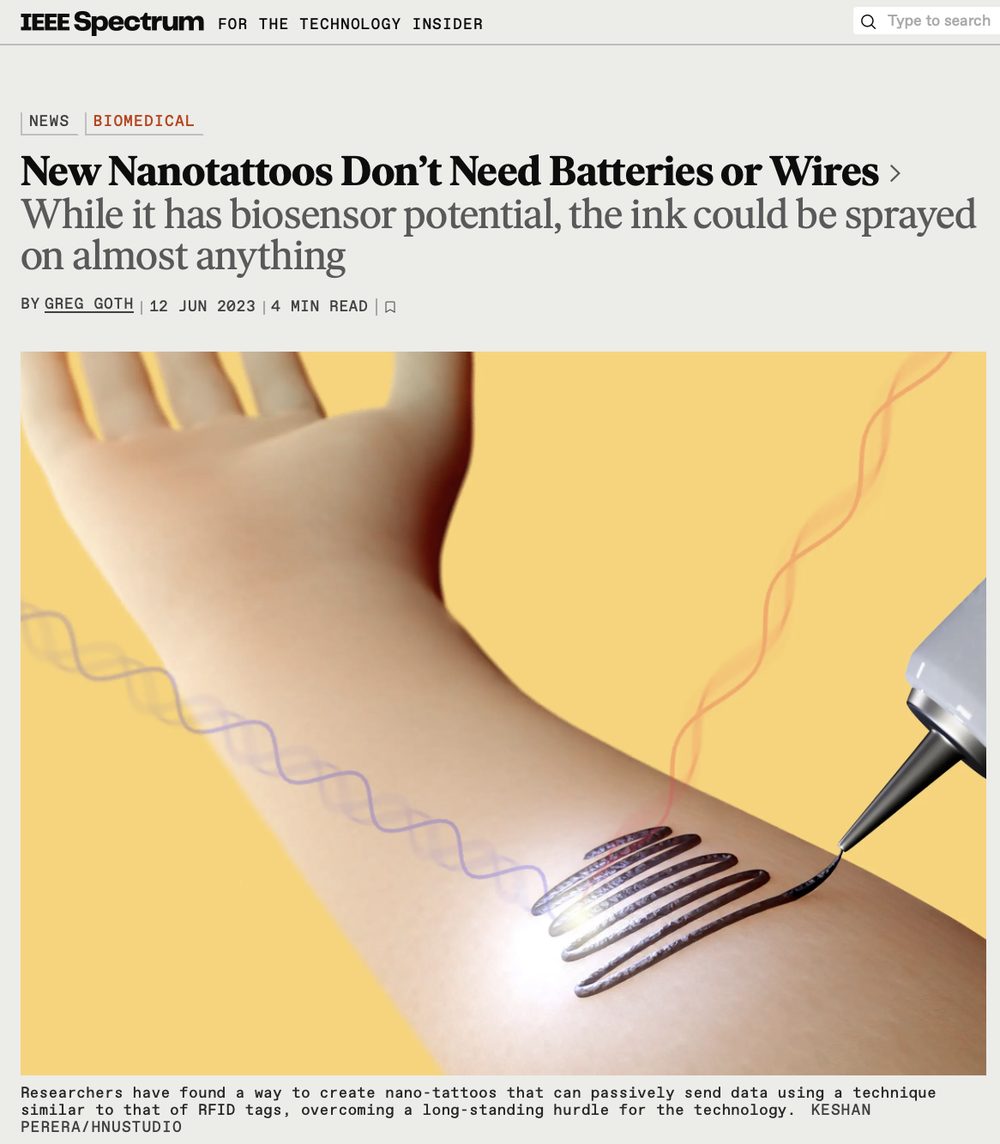
Could a sensor printed on your skin detect your heartbeat and send it wirelessly – with no battery, chip or wire?
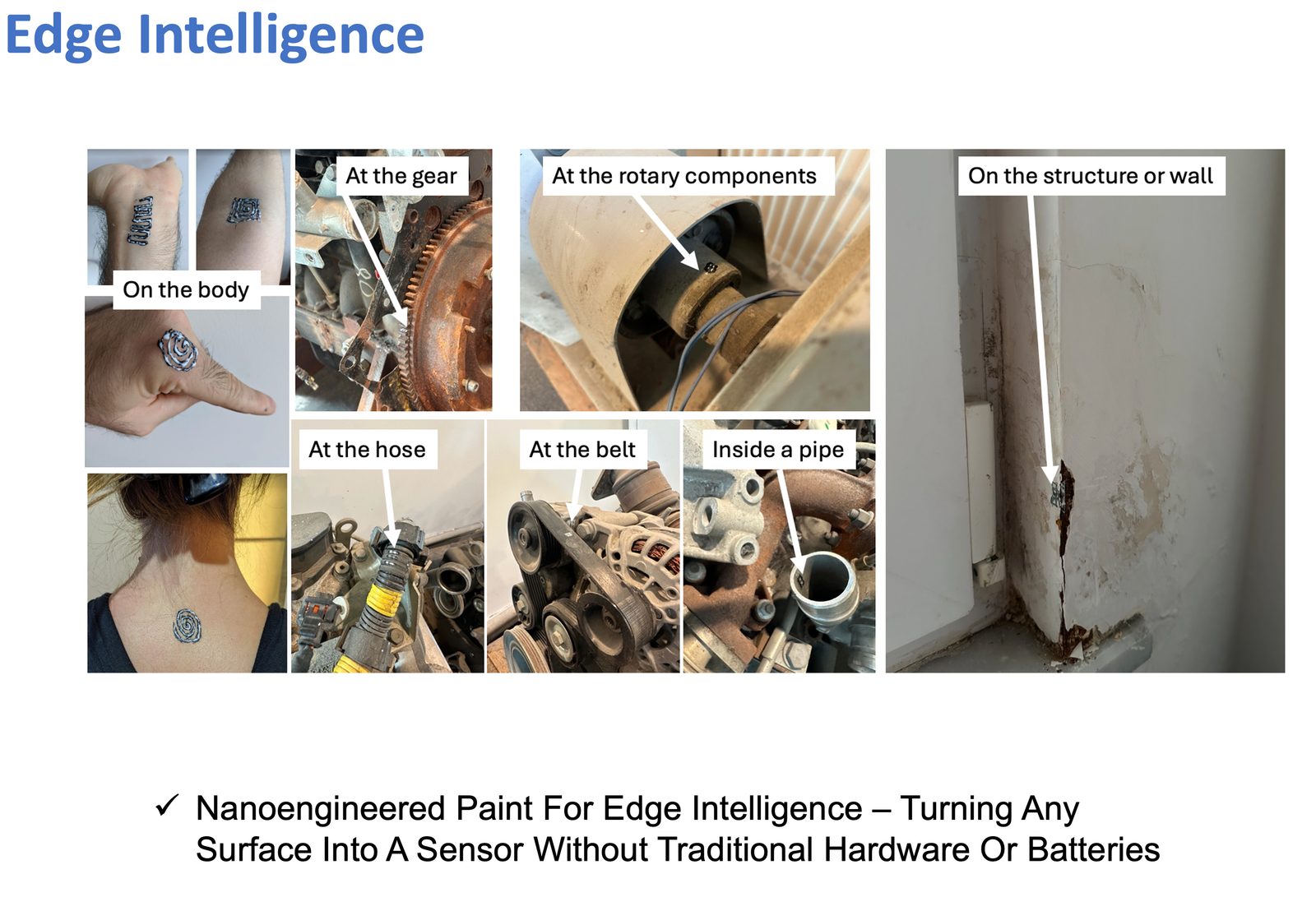
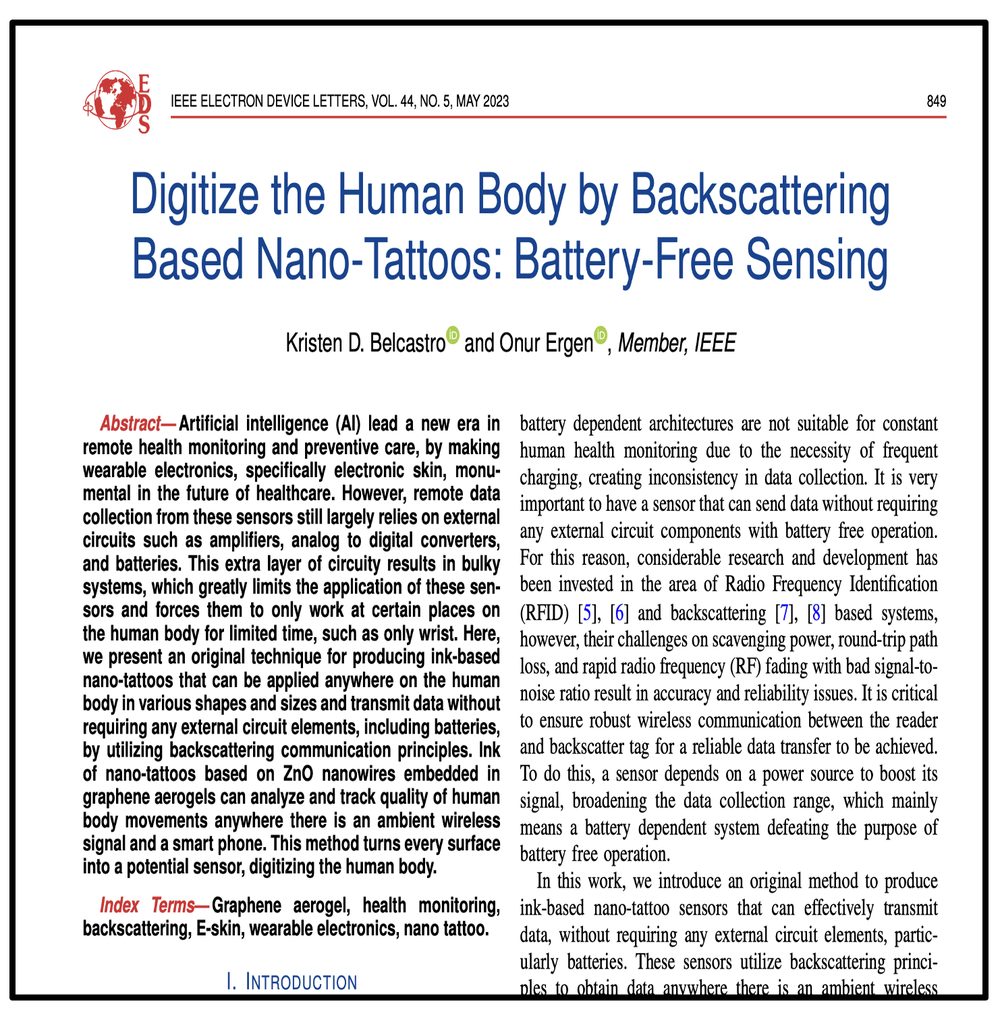
Ink-based nano-tattoos made from ZnO nanowires in graphene aerogel monitor motion, cardiac signals and biofluids, and communicate by ambient backscatter. The same paint turns gears, pipes and walls into sensors.
Low-temperature semiconductors
Why does silicon carbide need furnaces above 2,000 °C – and can quantum phonon aggregation make it far cooler and faster?
The Quantum Phonon Aggregation Method grows SiC with fewer defects and much less energy, for power electronics, EV inverters and RF devices. Supported by Business Finland.
AI for science and health
Can AI find atomic-scale strain in microscope images faster than any human – and spot disease from a photo or a voice?
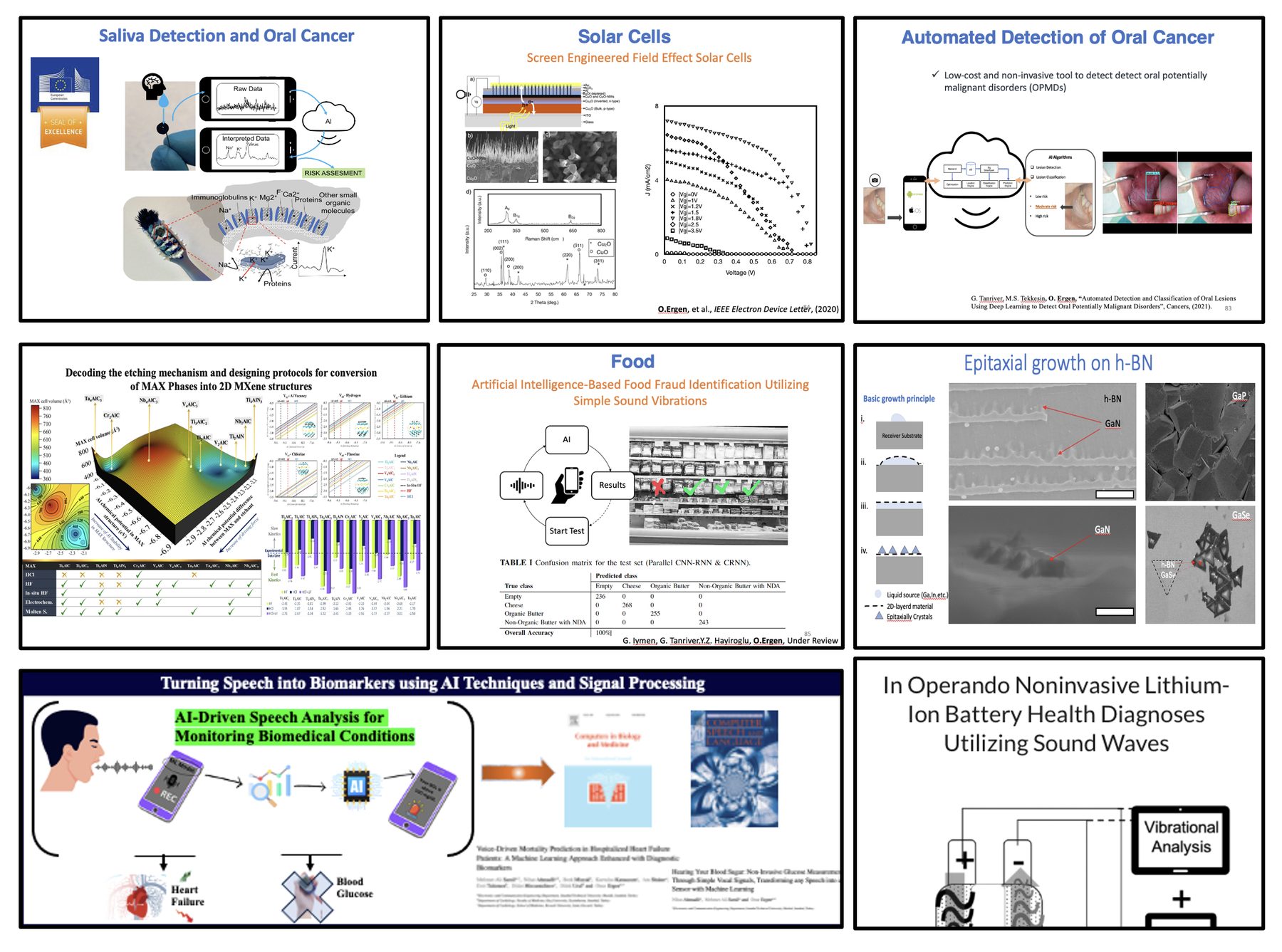
PyNanospacing maps strain in TEM images. Our deep-learning work detects oral cancer, atrial fibrillation and respiratory disease, and identifies food fraud from simple sound vibrations.


 NSF invested